
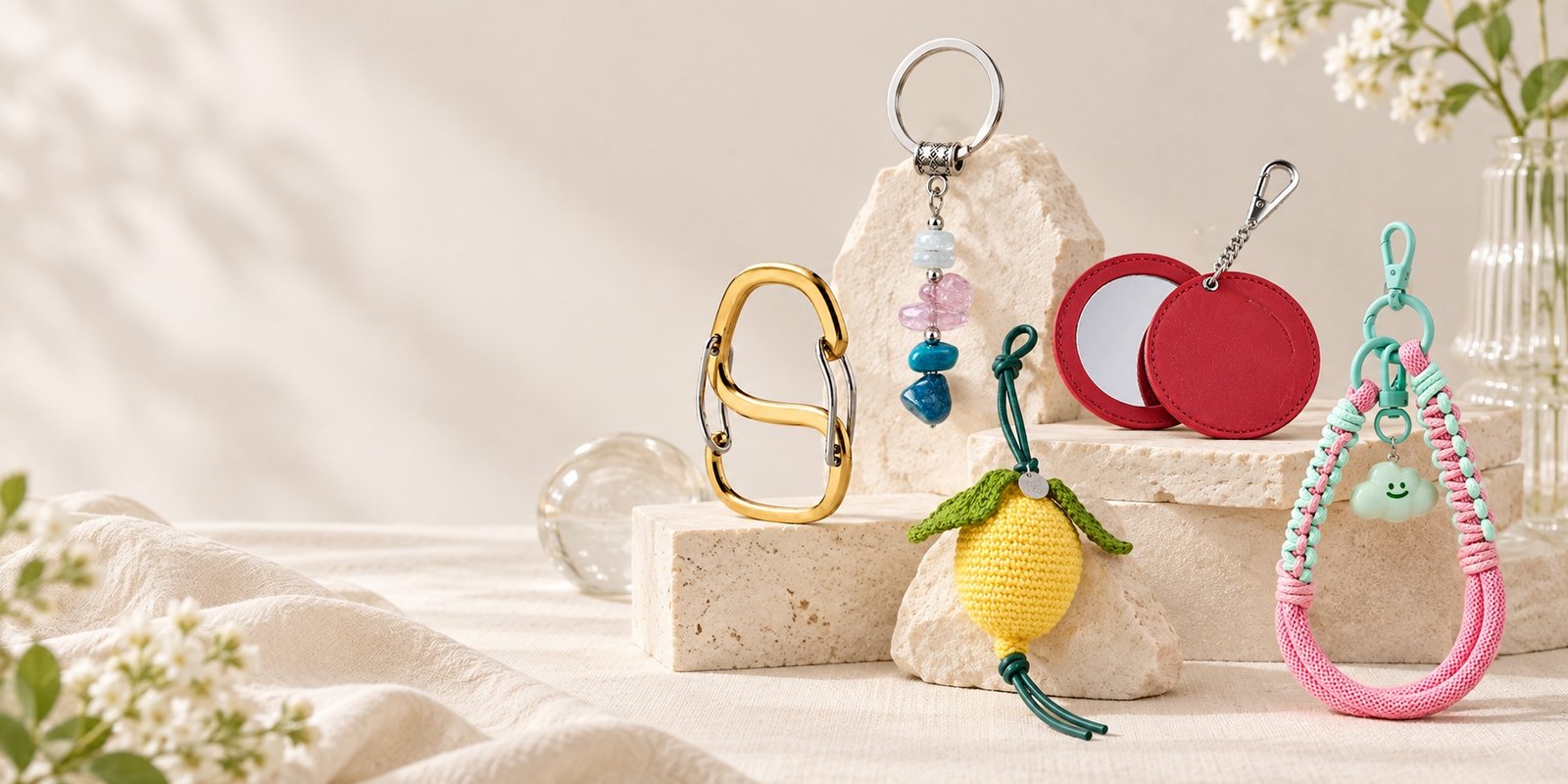
Find the material language for your custom keychain.
Compare Yibo Precision’s supplied collection by feel, form and visual character before defining the details of your project.
- Six material families
- Five metal directions
- Real supplied product imagery
Start with how the object should feel.
Material changes more than appearance. It influences weight, texture, flexibility, transparency, color and the way the attachment becomes part of the design.
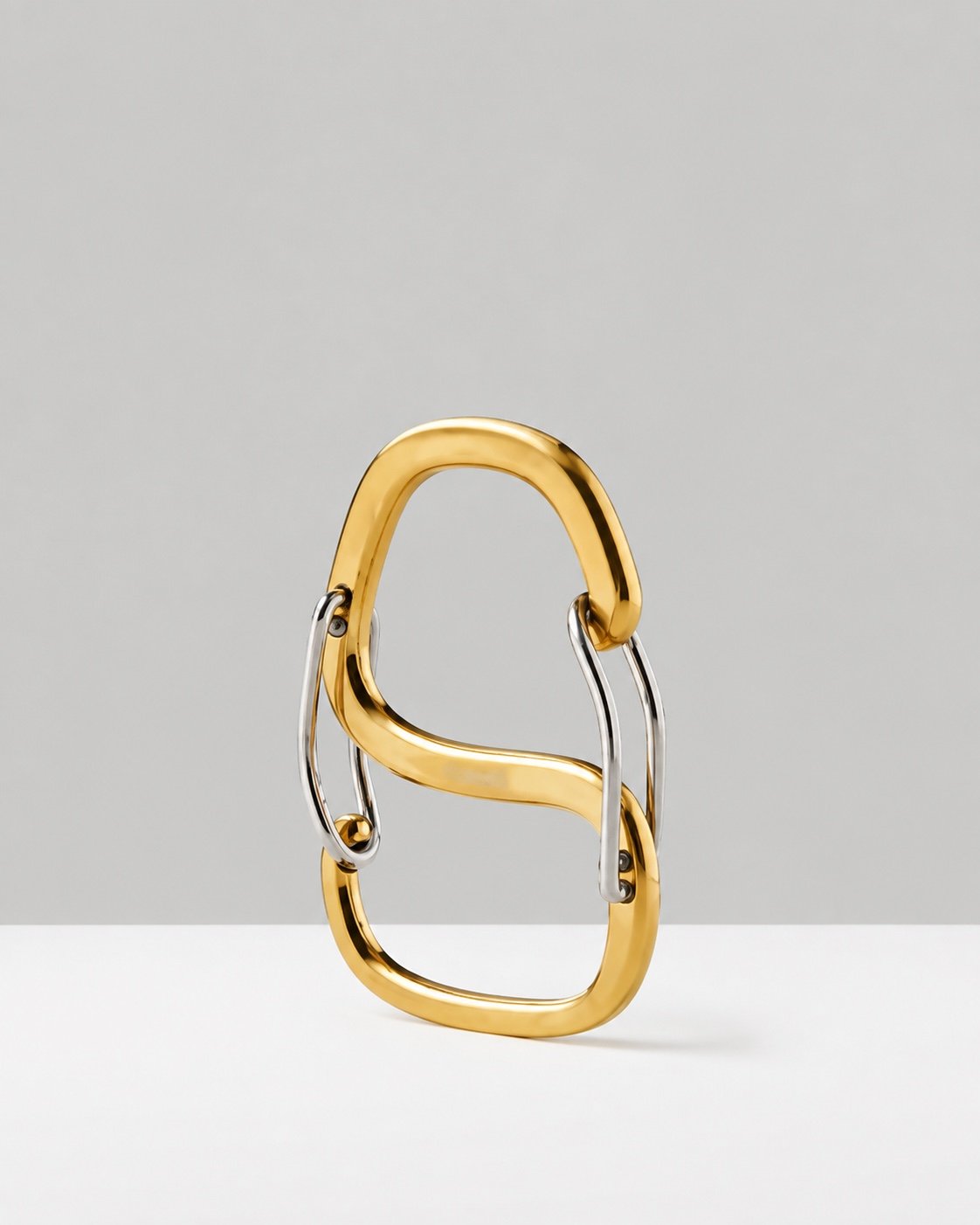 Metal KeychainsRefined hardware, enamel color, sculpted relief and compact tags
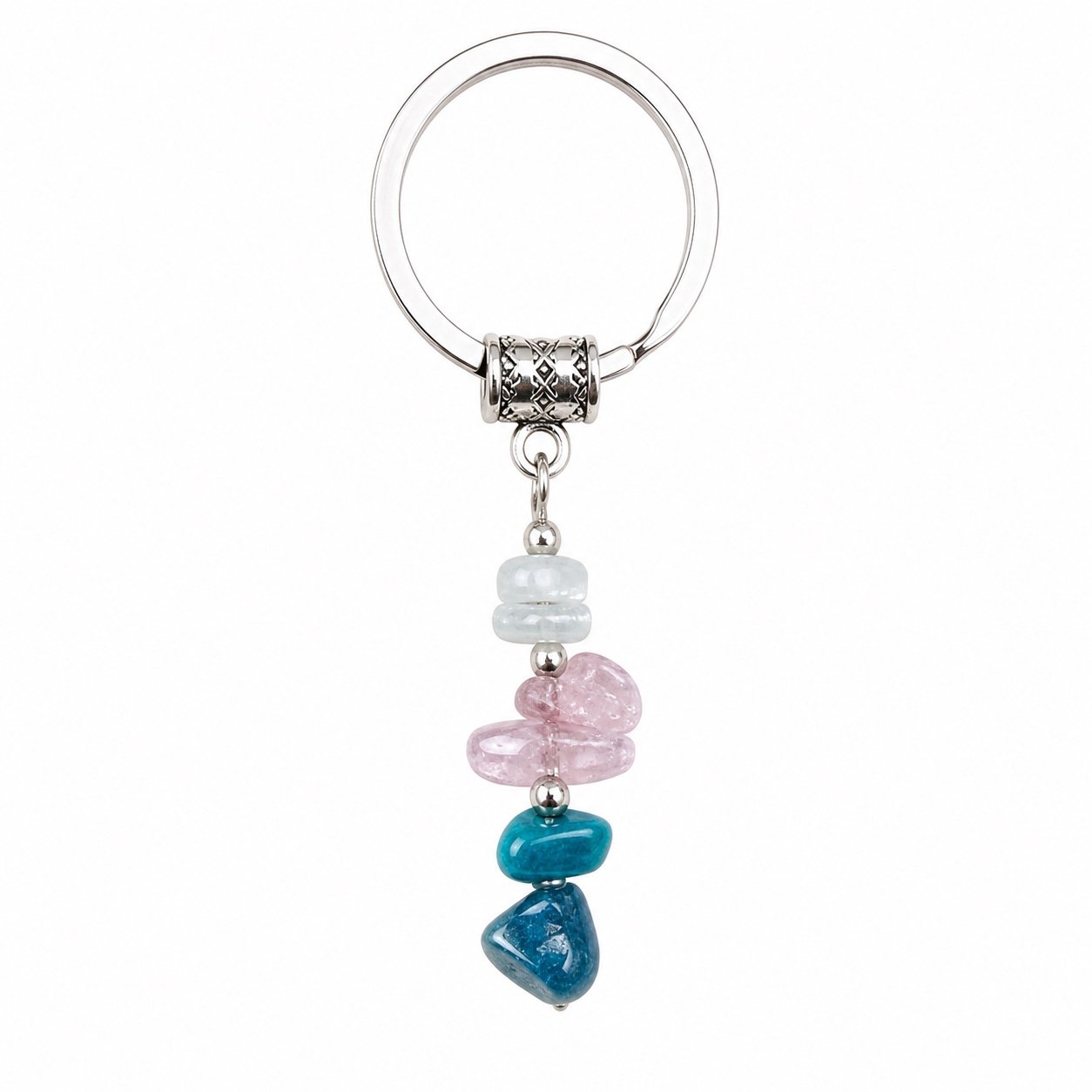 CrystalTransparency, faceting and decorative compositions
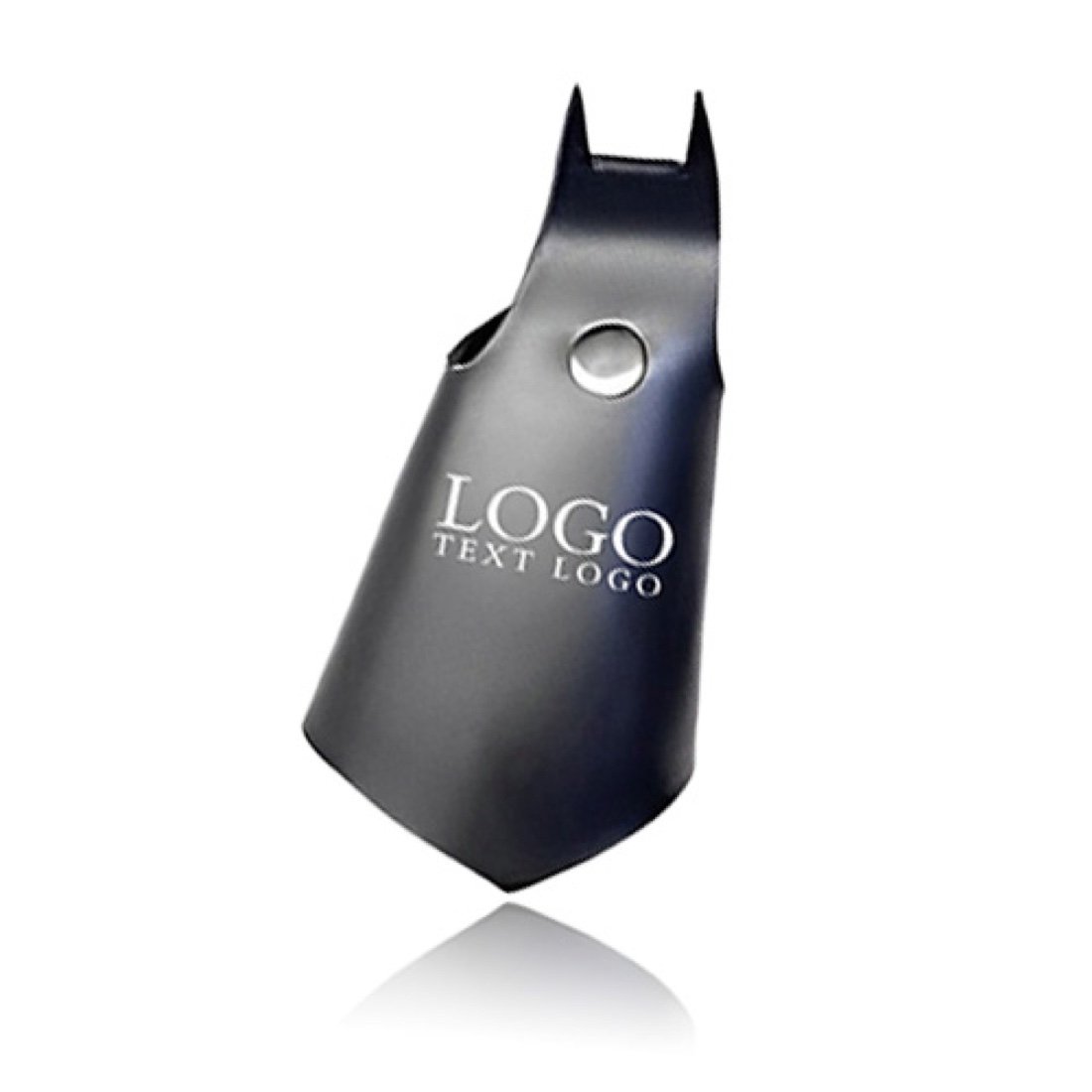 LeatherSoft-touch loops, cases and stitched details
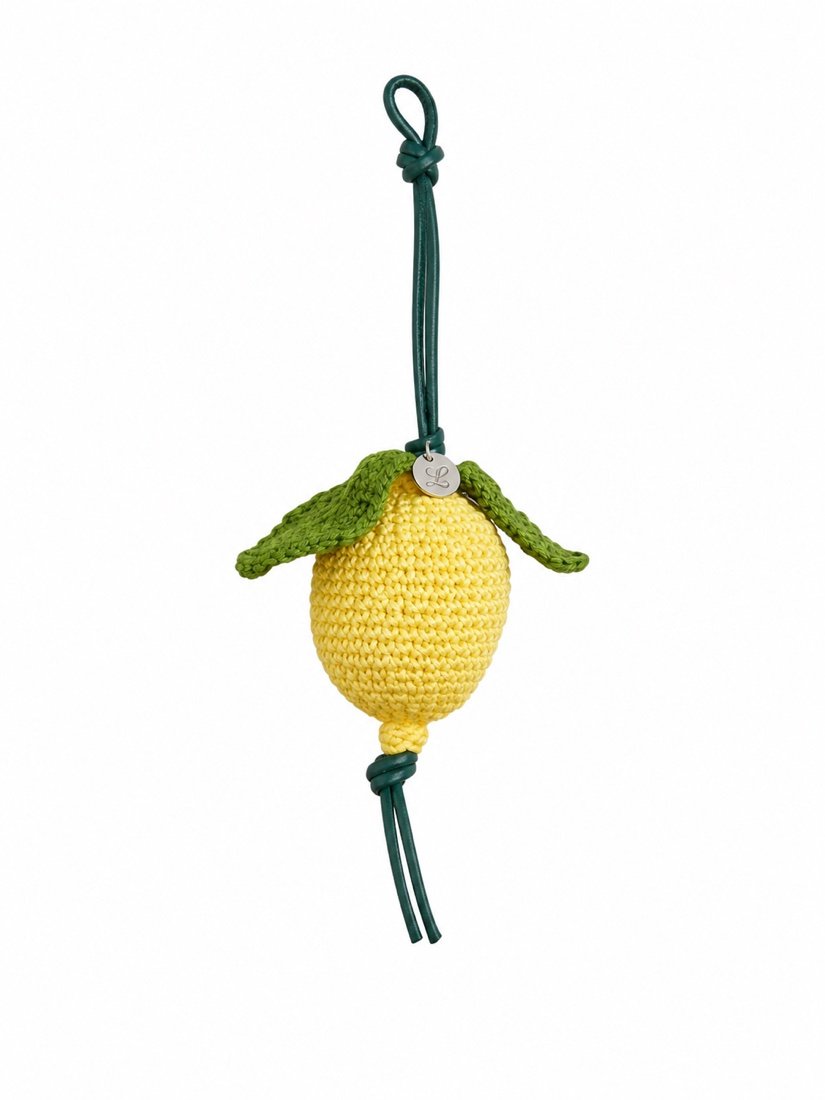 FabricSoft texture and handmade character
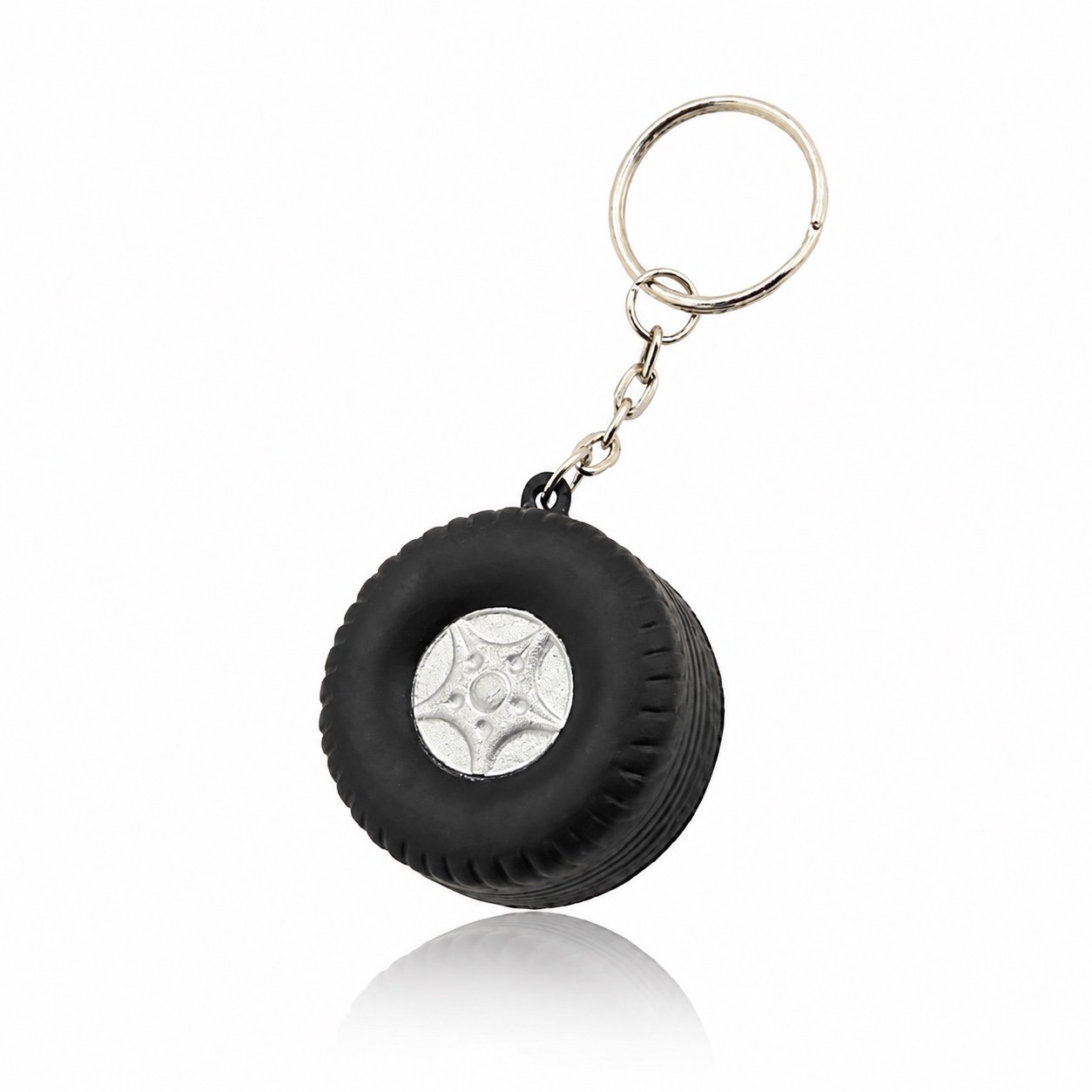 PlasticLightweight forms and immediate color
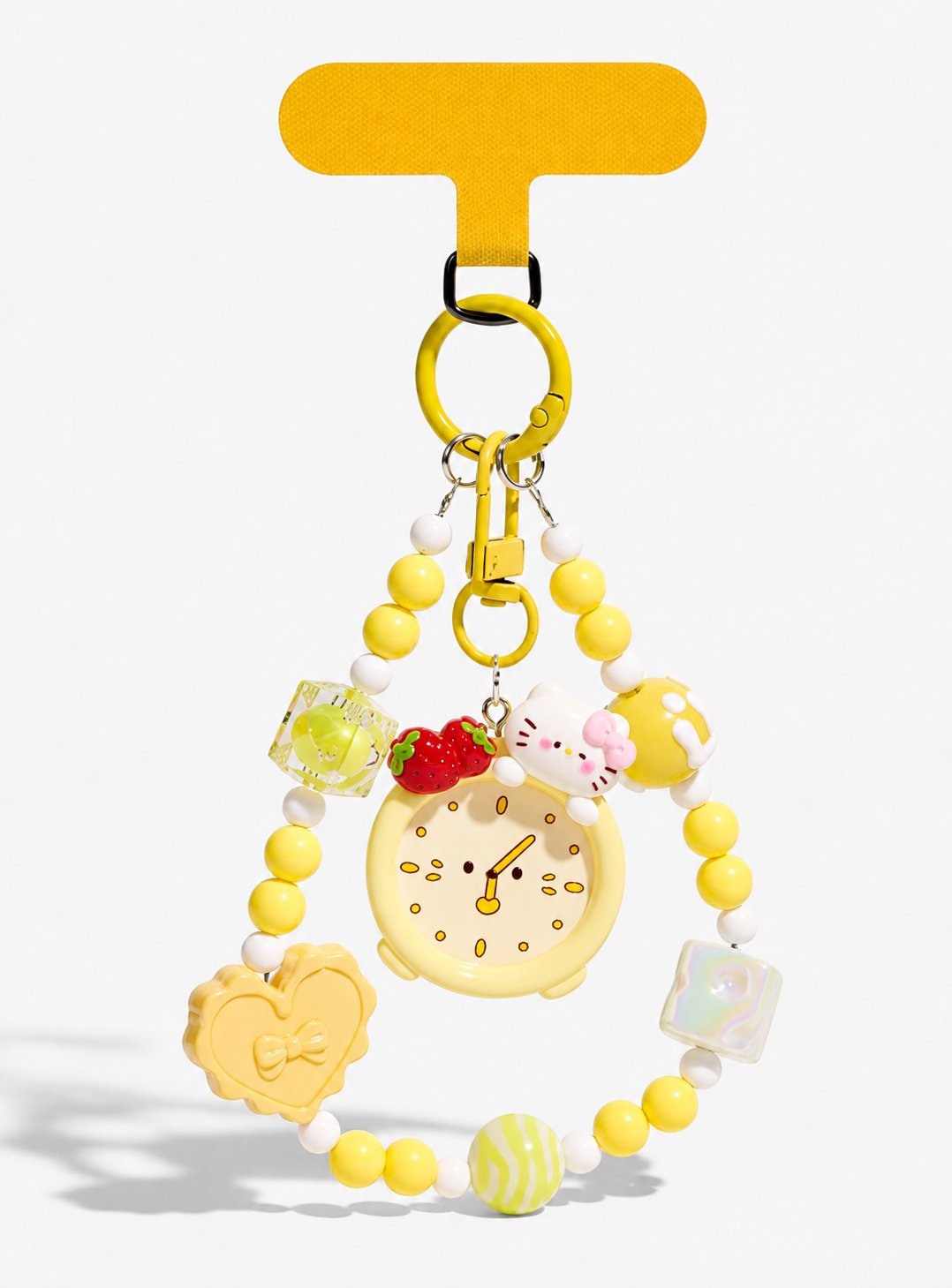 Phone CharmsStraps, beads, plush pieces and decorative attachments
Browse individual ideas before choosing a family.
These supplied references fill the same product-discovery role as a retail catalogue. Each enquiry is still reviewed as a custom project.
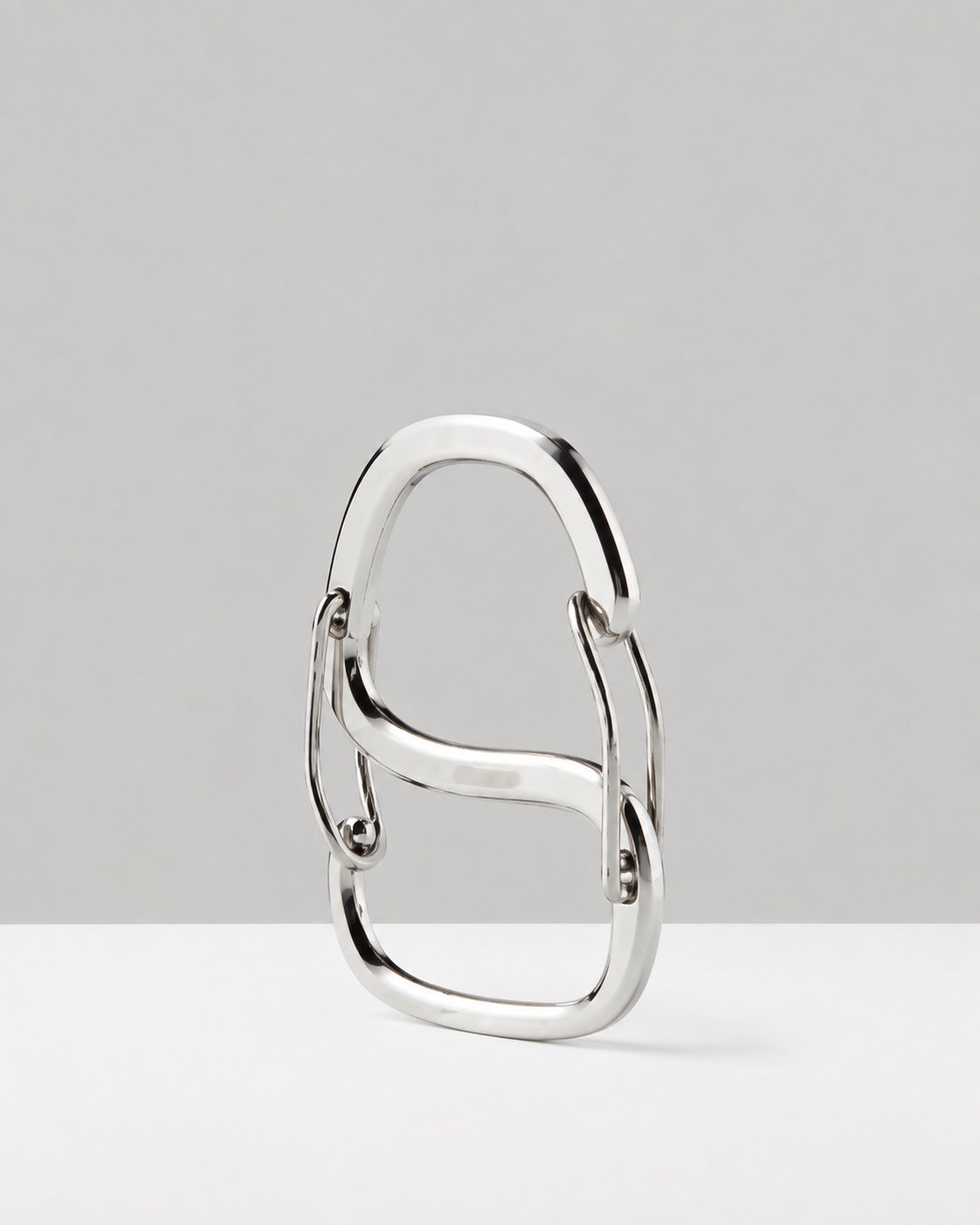 Metal
MetalRing-and-clip assembly
Compact hardware reference for a functional custom direction.
Explore this direction →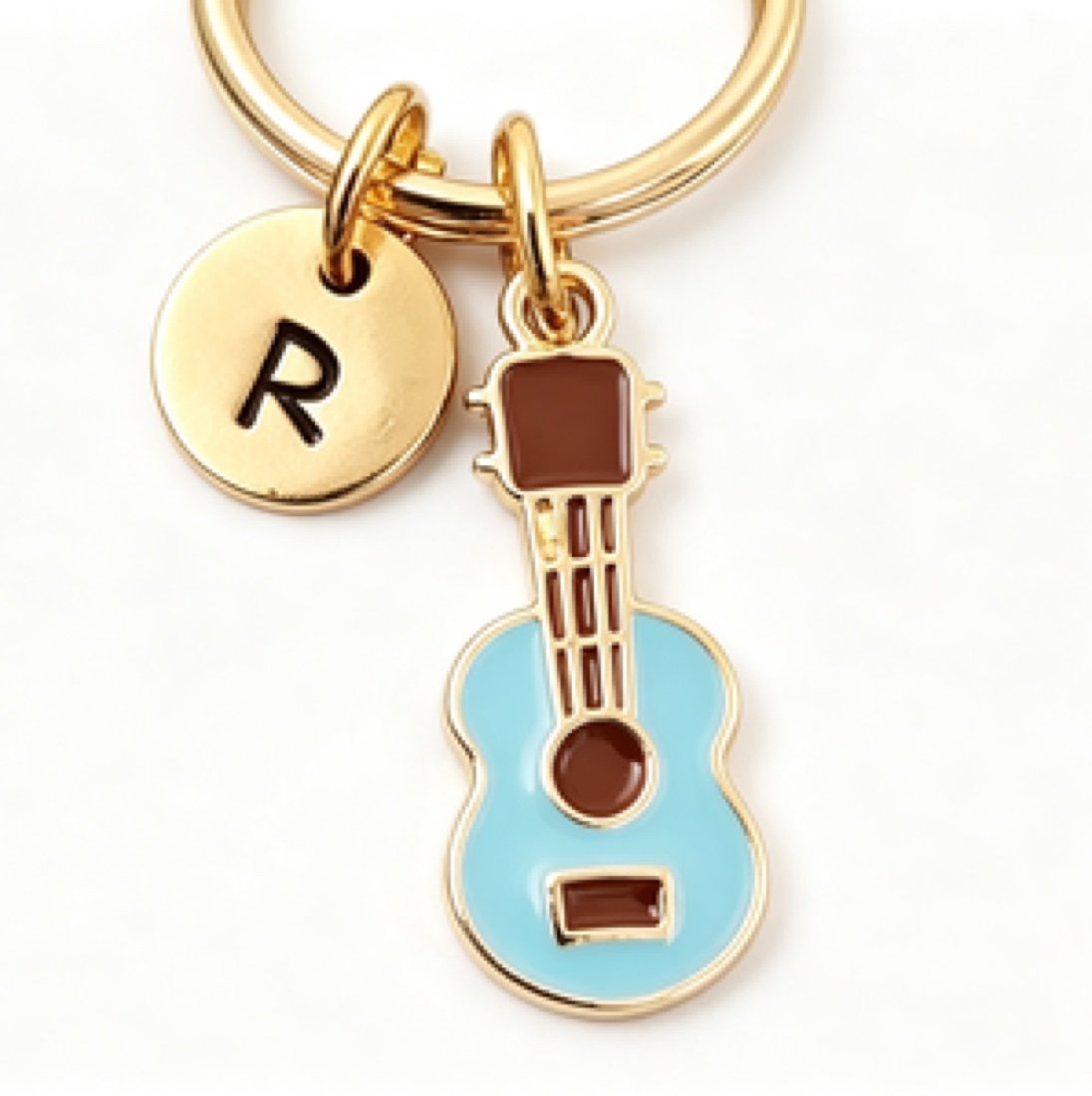 Enamel
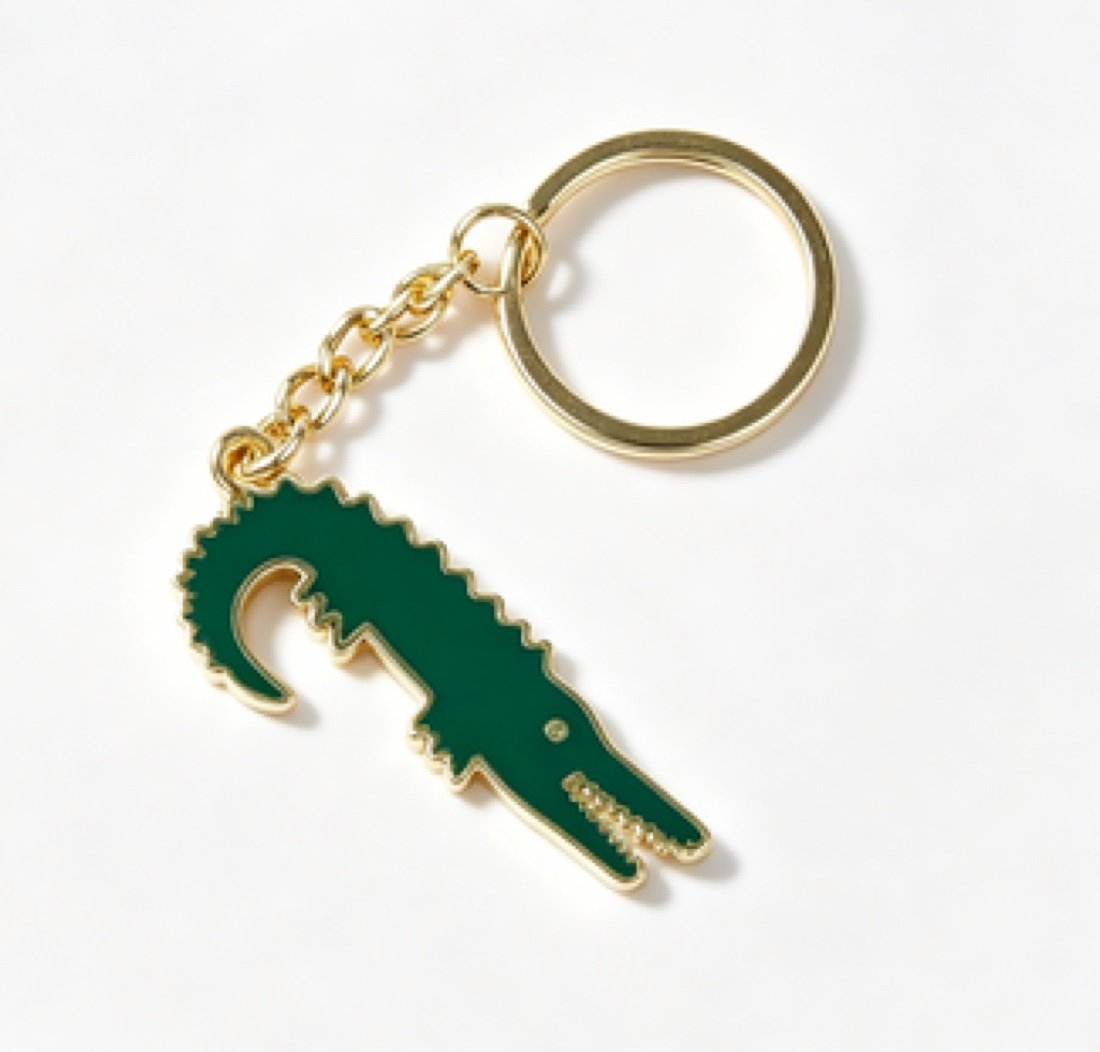
Color-filled metal charm
Graphic color and shaped metal for recognizable small-format artwork.
Explore this direction →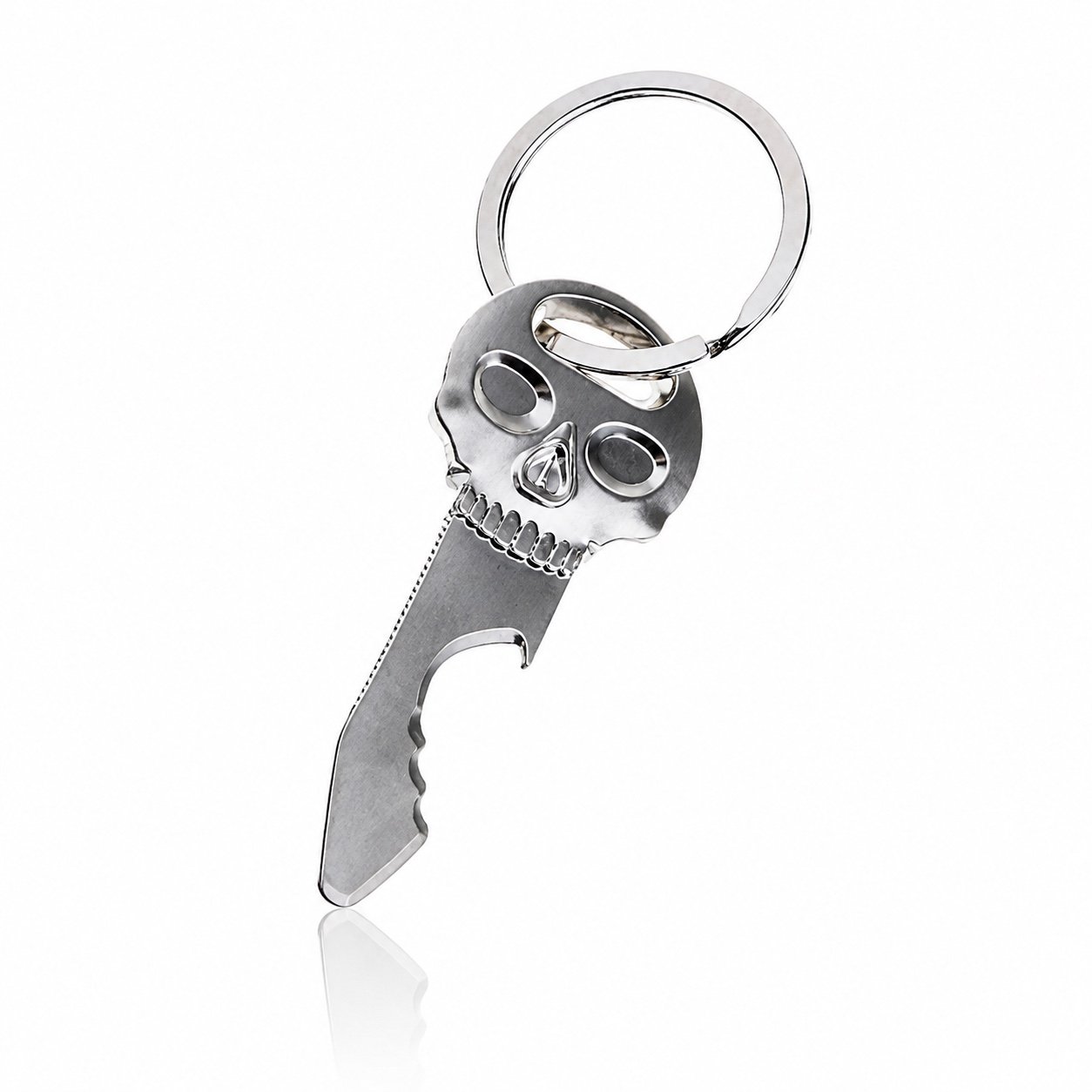 Minimalist
Reduced metal silhouette
A restrained form where proportion, finish and connection become the detail.
Explore this direction →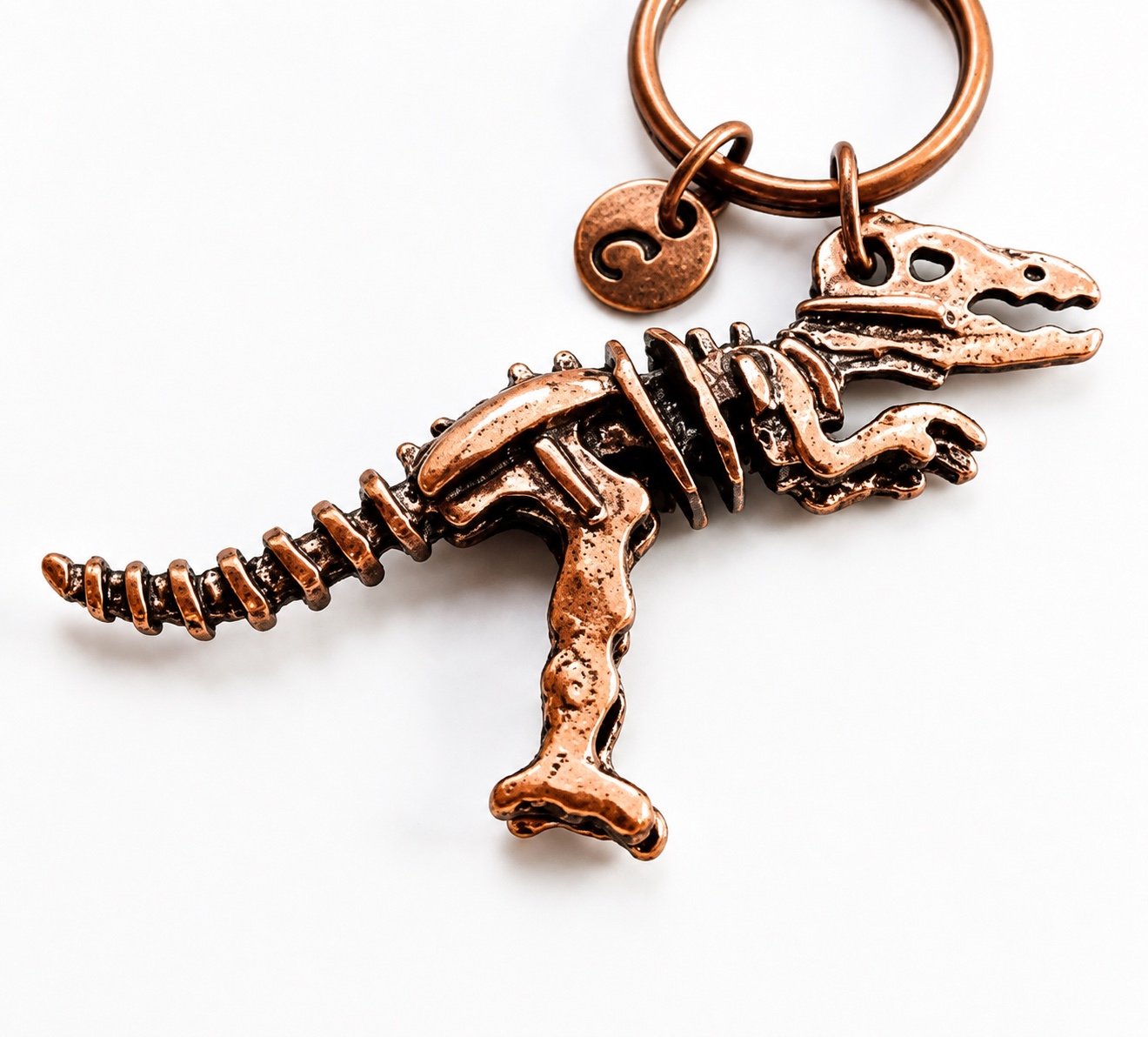 Rugged
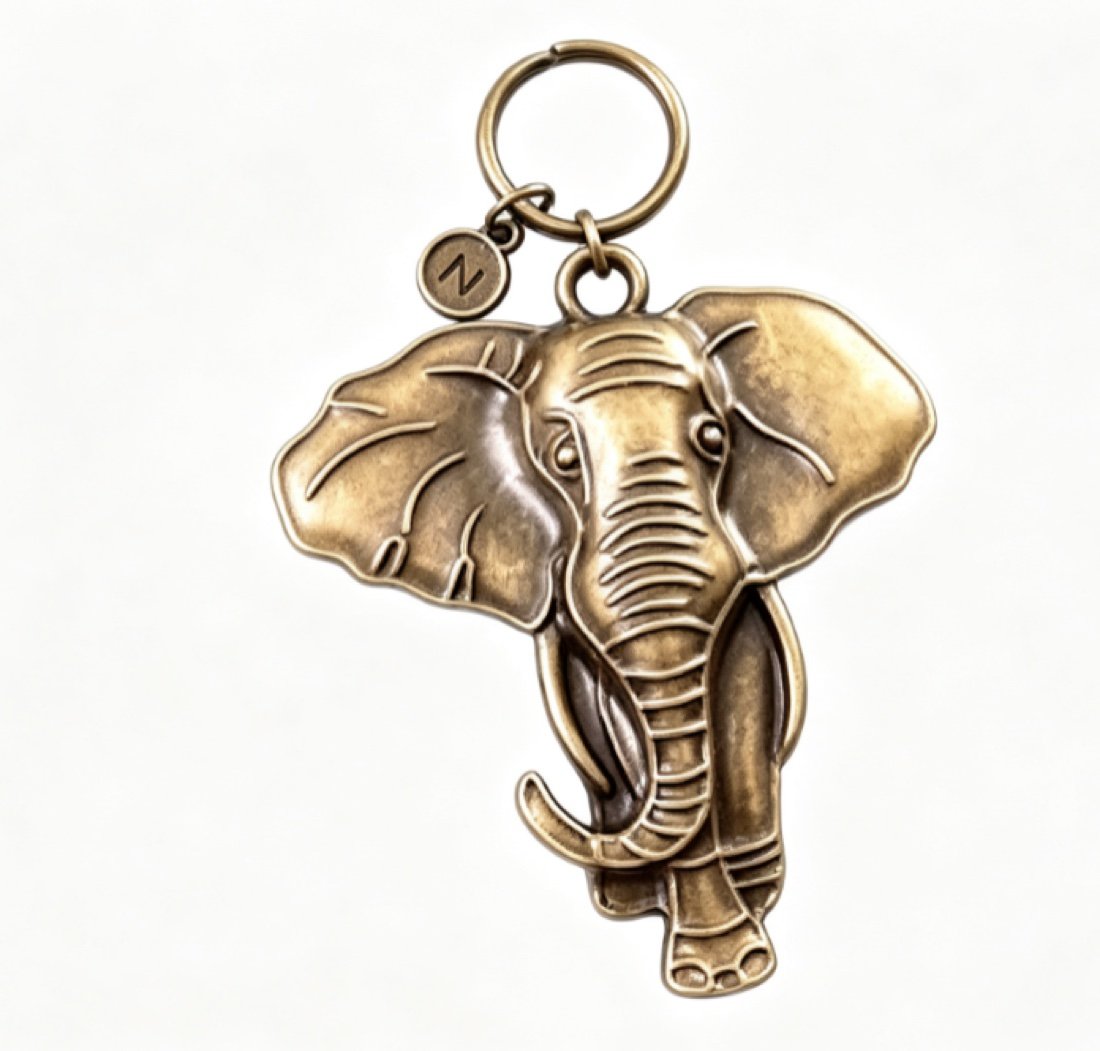
Sculpted metal relief
Dimensional reference with texture, shadow and an antique-style character.
Explore this direction →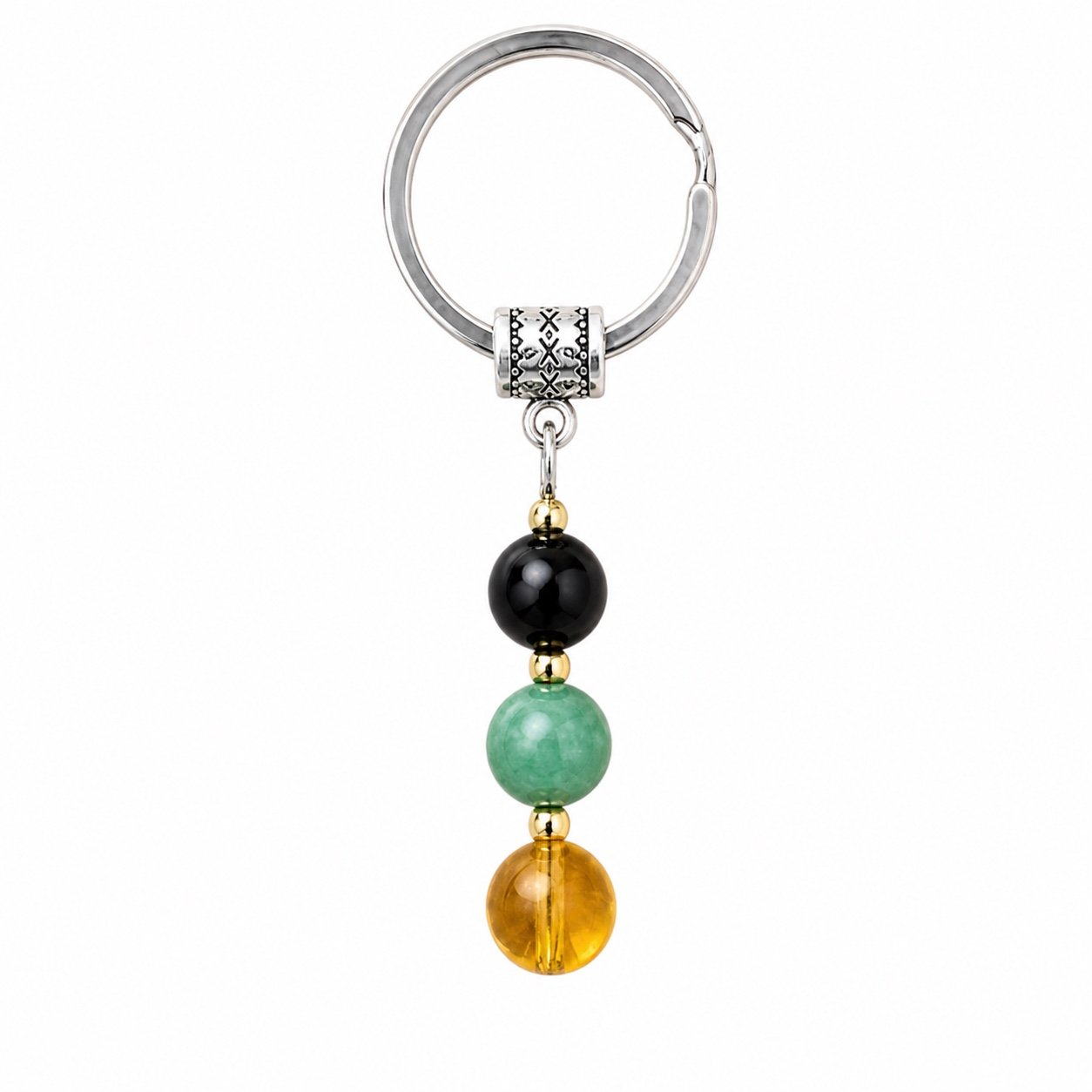 Crystal
Three-color bead composition
Transparent and opaque elements arranged as one balanced hanging sequence.
Explore this direction →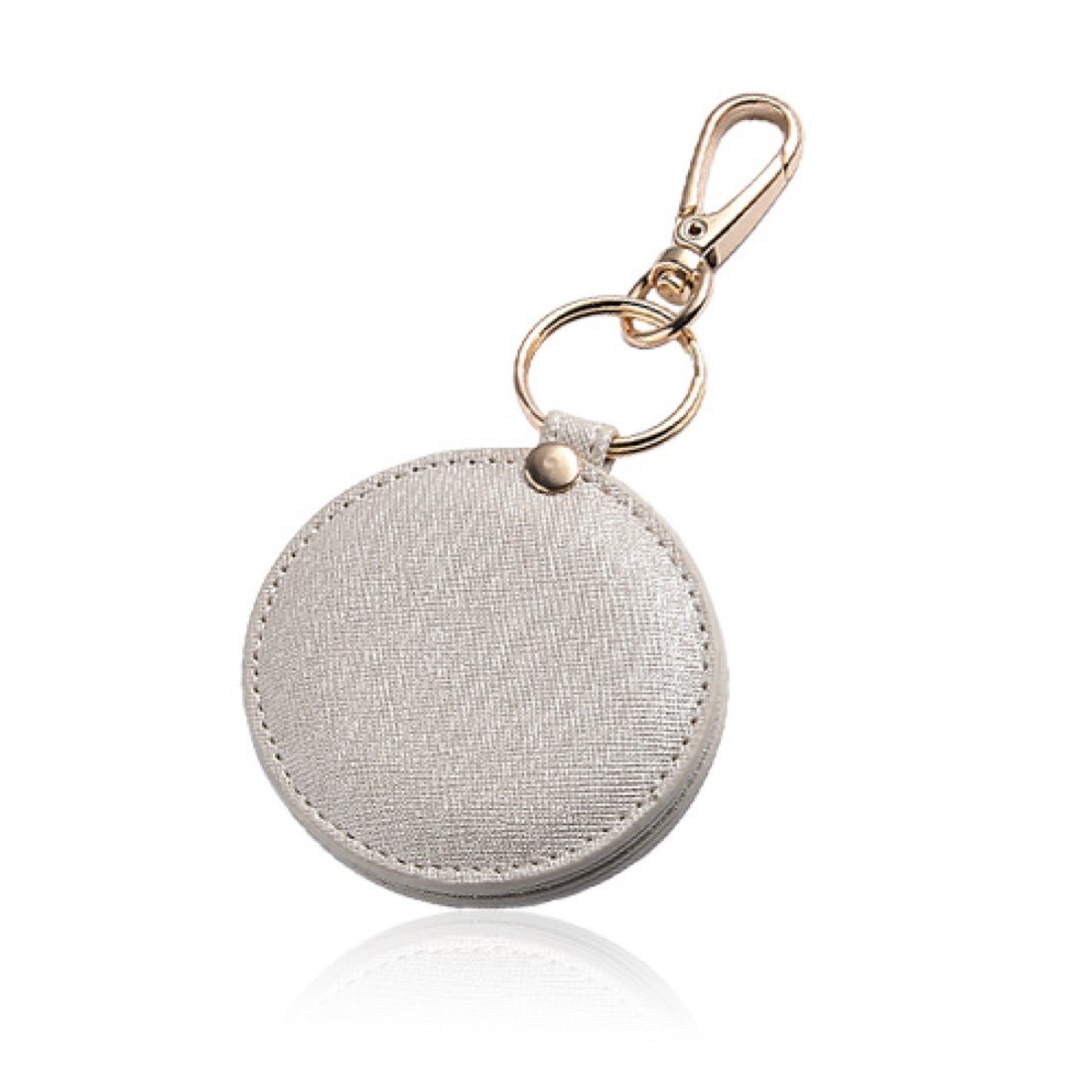 Leather
Leather holder with clasp
Soft material, stitching and hardware considered as one construction.
Explore this direction →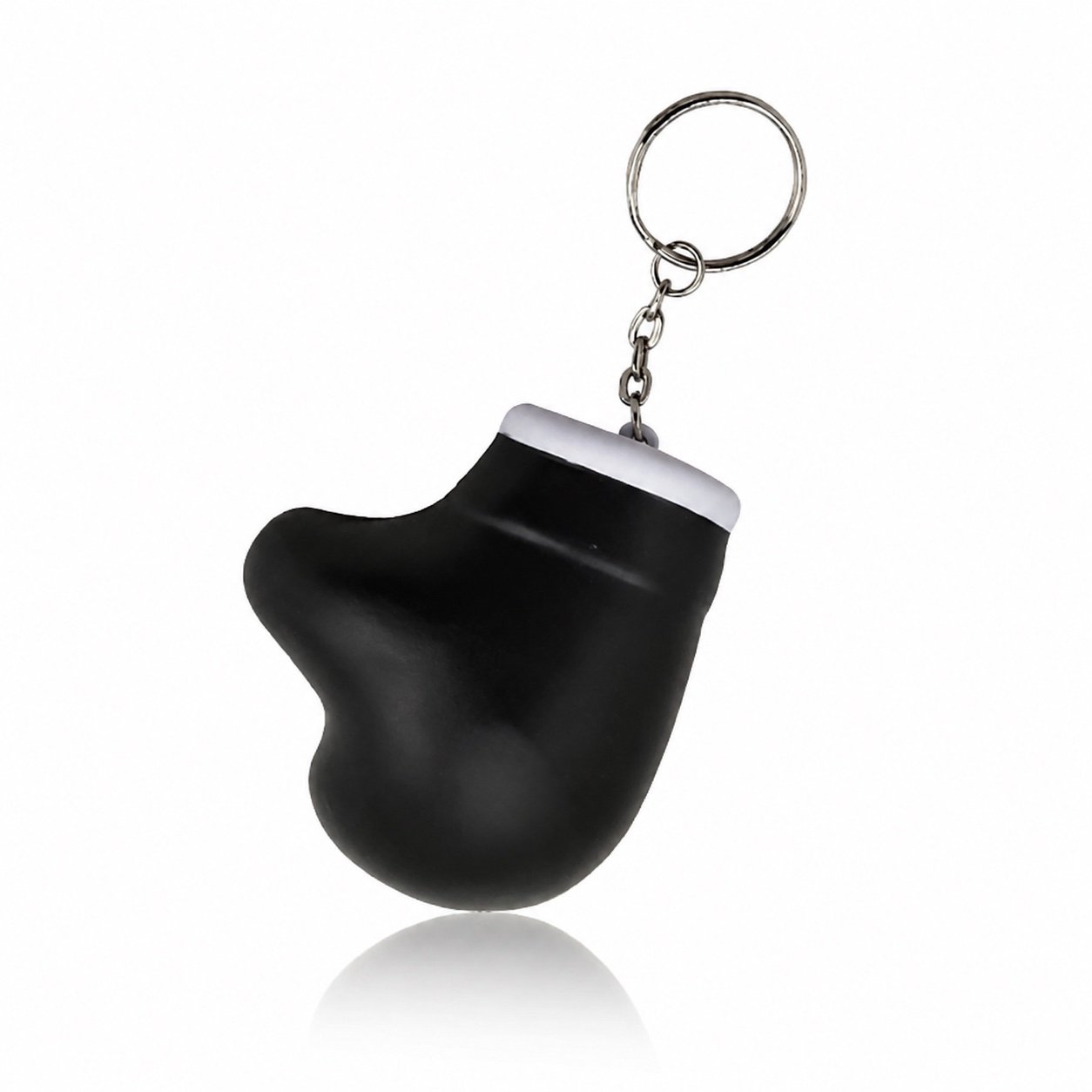 Plastic
Miniature object keychain
Immediate color and a recognizable silhouette for a novelty direction.
Explore this direction →Phone charmBeaded phone strap
A color-led wearable sequence with a compact phone connection.
Explore this direction →Start with where the keychain needs to work.
Use is another way to narrow material, scale, attachment and presentation before the project conversation begins.
Promotional merchandise
Logo-led pieces for campaigns, launches and brand touchpoints.
Discuss a brand project →Collection development
A coordinated group of forms, colors or materials for a product range.
Discuss a collection →Events and keepsakes
Memorable small objects for occasions, communities or shared moments.
Discuss a gift direction →Matching sets
Complementary motifs, colors or materials designed to belong together.
Discuss a matching set →Practical attachments
Hardware-led directions where the clip, ring, strap or holder has a clear role.
Discuss the attachment →Reference-led concepts
Begin with an image when the final material or construction is not yet decided.
Send a reference →Compare by visual and tactile direction.
This is a creative starting point, not a technical specification. Final materials and construction should be confirmed for the individual project.
| Direction | Character | Details to consider | Explore |
|---|---|---|---|
| Metal | Structured, weighty or precise | Shape, relief, enamel, plating, edges, ring or clasp | View metal → |
| Crystal | Transparent, faceted or decorative | Color, bead sequence, connectors, hanging length | View crystal → |
| Leather | Soft-touch and tailored | Color, stitching, edges, closure and hardware | View leather → |
| Fabric | Soft, tactile and dimensional | Fiber, color, structure, loop material and fill | View fabric → |
| Plastic | Lightweight, colorful and shaped | Outline, thickness, surface detail and attachment | View plastic → |
| Phone charm | Strapped, beaded or character-led | Length, bead sequence, connector, weight and balance | View charms → |
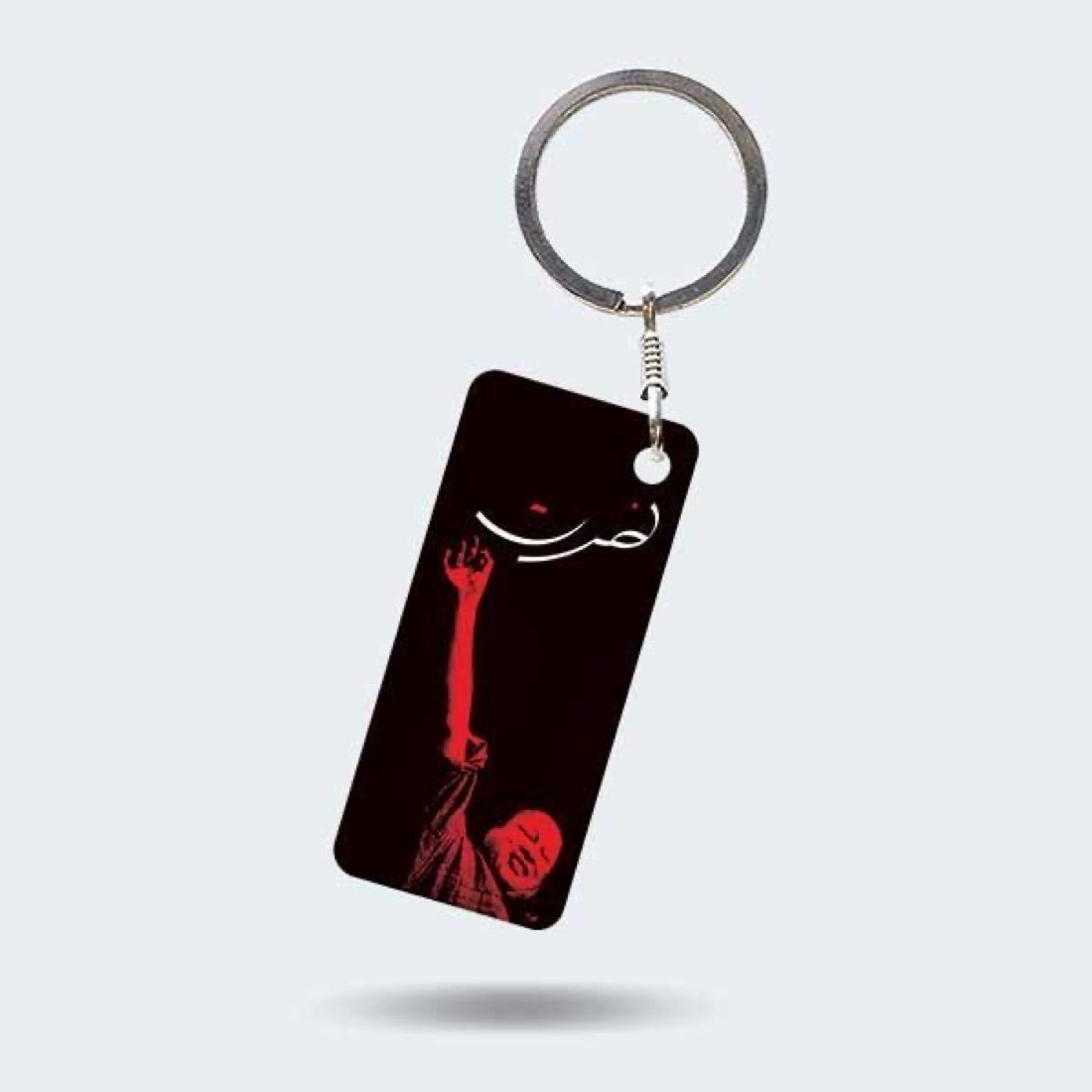
Metal opens five distinct design routes.
Move from clean functional hardware to enamel graphics, reduced silhouettes, sculpted relief or identity-led tags.
Turn the selected direction into a useful brief.
A category or product example provides a visual starting point. The project becomes specific when the construction and presentation choices are added.
Request a quote- ReferenceChoose the closest product example or attach your own.
- ArtworkShare the logo, motif, drawing or description.
- ConstructionDiscuss shape, dimensions, material, surface and attachment.
- QuantityInclude the quantity currently under consideration.
- PackagingAdd any presentation or individual packing requirement.
Choosing a category.
Use the examples to identify a direction. Final decisions belong in the project conversation.
See the full process →What if my idea combines more than one material?
Send the complete reference and identify the main and secondary elements. The possible construction should be reviewed as a whole assembly.
Are the examples fixed products?
They are visual references from the supplied product material. Use them to show a direction, then confirm the project-specific dimensions, materials, finish, attachment and packaging.
Which category has the broadest range of styles?
The metal collection spans classic hardware, enamel, minimalist forms, sculpted rugged pieces and metal tags.
What if I have not chosen a material yet?
Share the intended look, feel, use and a reference image. Those cues can make the material discussion more focused.
Found a direction worth developing?
Email the reference, artwork and quantity you are considering.